


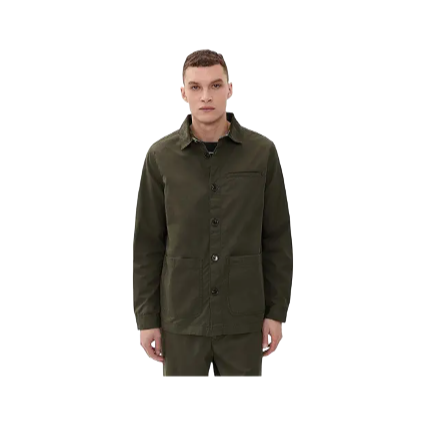
Barbour Men’s Cole Shirt Jacket
- A lightweight, non-stretch shirt jacket that offers both comfort and style.
- Features a classic corduroy trim, adding a refined touch to its casual design.
- Designed with functional patch front pockets and a welt breast pocket for convenient storage.
- With a length of 29.25 inches, chest of 47.25 inches, and sleeve length of 33.75 inches, it’s tailored for a perfect fit.
- Unlined construction makes it an ideal outer layer for mild weather or layering during cooler seasons.
$180.00
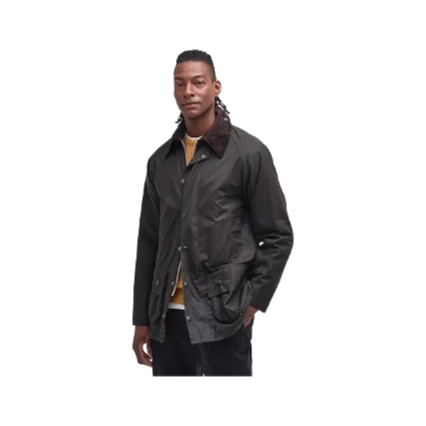
Barbour Men’s Classic Beaufort Wax Jacket
- A timeless jacket crafted from 6oz Sylkoil and 6oz waxed cotton for durability and weather resistance.
- Designed with a traditional fit and a back length of 79cm-86.5cm, offering full coverage and protection.
- The outer and inner materials are 100% cotton, ensuring comfort and longevity.
- Easy to maintain with sponge cleaning for lasting quality.
- Perfect for outdoor adventures, combining functionality with Barbour’s signature heritage style.
$425.00
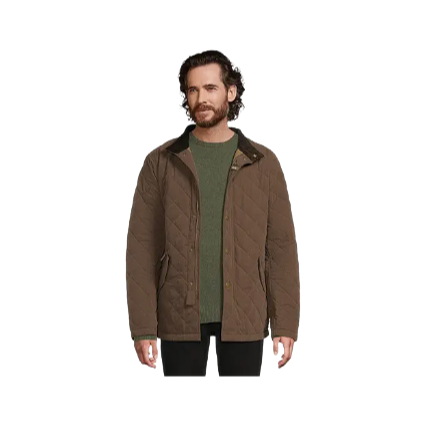
Barbour Men’s Shoveler Quilted Jacket, Dark Olive
- This quilted jacket is made from 100% polyester outer and 100% polyamide inner for lightweight warmth and comfort.
- Features premium details, including Barbour tonal embroidery on the lower left pocket flap and a large brown leather badge on the back neck.
- Trimmed with 100% leather for an elevated look.
- Machine washable at 30°C for easy care and maintenance.
- Imported design that blends classic craftsmanship with modern functionality, making it a versatile addition to your wardrobe.
$275.00
A Personal Journey Through British Heritage, Style, and Practicality
As I stood on the windswept hills of Northumberland, rain pelting down and wind whipping at my face, I couldn’t help but smile. My faithful Barbour jacket, now five years weathered and bearing the subtle patina of countless adventures, kept me perfectly dry and warm. That moment crystallized what I’d come to understand over years of wearing, researching, and frankly, obsessing over these iconic British garments: a Barbour jacket isn’t just clothing—it’s an investment in a heritage that stands the test of time.
My fascination with Barbour began during university when a well-dressed professor would arrive each morning in a weathered waxed jacket that seemed to tell stories without words. Today, after owning several models and guiding countless friends through their purchases, I’m sharing everything I’ve learned about selecting the perfect Barbour jacket for men.
The Barbour Legacy: Understanding What You’re Buying
Before diving into specific models and buying advice, it’s worth appreciating the legacy behind the brand. Established in 1894 in South Shields, England, Barbour began by crafting durable oilskins for fishermen, sailors, and dockworkers facing the brutal North Sea elements. John Barbour’s simple mission was to create garments that protected working men from harsh weather—little did he know he was establishing what would become a global icon of British country lifestyle.
What struck me during my first visit to their South Shields factory (yes, I’m that dedicated) was how much of the original craftsmanship remains. While many heritage brands have outsourced production entirely, Barbour still manufactures their classic jackets in the UK, with skilled hands applying the same wax coatings and techniques that have served them for over a century.
The royal warrants displayed proudly at their headquarters—from the Duke of Edinburgh, the Queen, and the Prince of Wales—speak to a quality that has literally been deemed fit for kings. When you purchase a Barbour, you’re not just buying a jacket; you’re buying into a tradition of excellence that has outfitted explorers, royalty, and everyday folk seeking exceptional durability.
Classic Barbour Jacket Models: Know Your Options
When I bought my first Barbour, I was overwhelmed by the variety. Bedale, Beaufort, Ashby, Liddesdale—these names meant nothing to me then. Now, I can spot the differences at fifty paces. Let me break down the classic men’s options that have stood the test of time:
The Beaufort
The Beaufort was my first Barbour, and remains my go-to recommendation for most men. Designed originally as a shooting jacket, it features a relaxed cut that allows for layering and movement. The distinctive rear game pocket (which I’ve never used for pheasants but find perfect for newspapers and small items) extends across the lower back.
What makes the Beaufort special is its versatility—at home in both country and city settings. The medium-length cut (reaching mid-thigh) provides good coverage without feeling cumbersome. The two-way zipper allows you to open the bottom slightly when sitting, preventing that awkward bunching that shorter jackets suffer from.
The traditional cotton tartan lining provides modest insulation, though in truly cold weather you’ll want to add layers or consider the zip-in liners Barbour offers separately. After years of testing, I find the Beaufort truly shines in temperatures between 40-65°F (4-18°C), especially with light rain or wind.
The Bedale
Initially designed for horseback riding, the Bedale is shorter than the Beaufort, ending at the hip rather than mid-thigh. This makes it exceptionally comfortable when driving or cycling, with less fabric to bunch around your waist when seated.
I particularly appreciate the Bedale’s ribbed inner cuffs, which provide superior wind protection compared to the Beaufort’s open sleeves. The shorter length makes it slightly more casual and youthful in appearance, though perhaps less protective in heavy rain.
For men under 5’10” (178cm), the Bedale often provides a more flattering proportion than the longer models. I’m 6’1″ and found the Bedale slightly too short for my frame, but my brother who’s 5’8″ looks perfectly proportioned in his.
The Ashby
The Ashby represents Barbour’s acknowledgment that many men wear their jackets in urban environments rather than trudging through muddy fields. It features a slimmer, more tailored fit than the Beaufort or Bedale, making it more compatible with contemporary wardrobes.
I resisted the Ashby initially, feeling it somehow betrayed the utilitarian roots of Barbour. That changed when I tried one on in London and realized it maintained all the functional elements while eliminating the excess fabric that sometimes made the classic models appear boxy. For men with athletic or slim builds, the Ashby provides a much more flattering silhouette without sacrificing functionality.
The Ashby uses the same 6oz Thornproof waxed cotton as the heritage models but with a modern sensibility. After adding one to my collection, it’s become my most-worn Barbour for city life.
The Border
The Border is essentially an extended Beaufort, reaching below the knee to provide maximum weather protection. Initially, I dismissed this as excessive until I spent a week hiking in Scotland, where the extra coverage proved invaluable during sustained downpours.
This is definitely the most “country” option, and probably excessive for urban settings. However, for tall men (over 6’2″) or those genuinely using the jacket in rough rural conditions, the Border offers unmatched protection.
The weight and length mean it’s not for everyone—my Border feels substantially heavier than my other Barbours—but for true outdoor enthusiasts, it’s worth considering.
The Liddesdale
Breaking from Barbour’s waxed cotton tradition, the Liddesdale features a quilted exterior with a diamond pattern. This jacket lacks some of the weather resistance of the waxed models but offers lighter weight and a more refined appearance that some find easier to incorporate into business-casual settings.
I initially dismissed the Liddesdale as “Barbour Lite,” but after receiving one as a gift, I’ve found it perfect for dry autumn days and as a transitional piece in spring. The lack of wax means no maintenance and no distinctive smell (more on that later), which some might consider advantages.
The Waxed Jacket Experience: What to Expect
Let’s address the elephant in the room: waxed cotton is a unique material with characteristics that might surprise first-time owners. When I unwrapped my first Beaufort, I was struck by three things: the substantial weight, the distinctive smell, and the slightly sticky texture of the outer fabric.
The Weight Factor
A traditional Barbour isn’t lightweight outerwear. My medium Beaufort weighs around 3.5 pounds (1.6kg)—substantially more than modern synthetic jackets. This heft provides part of the weather protection and contributes to the substantial feel that many owners appreciate. The jacket feels protective, like armor against the elements.
After a few wears, you’ll hardly notice the weight, but it’s something to consider if you’re used to ultralight technical gear. The substance of a Barbour is part of its charm and functionality—it’s built to last decades, not seasons.
The Distinctive Aroma
New Barbour owners are often surprised by the distinctive smell of waxed cotton. It’s earthy, slightly sweet, and unmistakable—a combination of the cotton and the traditional wax treatment. Some people love it immediately; others find it off-putting at first.
My personal experience: the smell fades somewhat after a few weeks but never disappears entirely. I’ve come to associate it with quality and durability. My wife initially complained about the “Barbour smell” but now says it reminds her of our countryside walks.
If the scent bothers you, storing the jacket away from your other clothes and allowing it to air out can help. Just don’t expect it to ever smell “neutral”—that aroma is part of owning a piece of British heritage.
The Break-In Period
Like a good pair of leather boots, a Barbour jacket improves with age and wear. New jackets can feel stiff and slightly restrictive, with the waxed cotton creating a somewhat rigid shell. Don’t despair—this is normal and temporary.
After about 10-15 wears, the cotton begins to soften and conform to your body, creating personalized wear patterns at the elbows and cuffs. By the one-year mark, your Barbour will feel substantially more comfortable than when new.
This aging process is part of the appeal. As one elderly gentleman told me while admiring my relatively new Beaufort, “That jacket isn’t even properly started yet, son.” His own, worn for over thirty years, had developed a patina and character that no new garment could match.
Finding Your Perfect Fit: Sizing Considerations
Barbour sizing can be confusing, especially given the different cuts across their range and the fact that these jackets are designed to accommodate layers underneath. After helping numerous friends find their size, here’s my practical advice:
Traditional Models (Beaufort, Bedale, Border)
The classic models run large by contemporary standards. They were designed to be worn over tweed jackets or heavy sweaters, so there’s generous room in the chest and shoulders.
As a general rule:
- If you’re between sizes, size down
- If you typically wear a medium in American brands, a 38 or 40 in Barbour will likely work
- Consider your layering intentions—if you’ll mostly wear the jacket over just a t-shirt or light sweater, definitely size down
I’m typically a 42L in suit jackets, but I wear a 40 in Barbour’s classic models, which still allows room for a light sweater underneath.
Slim Fit Models (Ashby, Sapper)
The contemporary fits are more true to size compared to modern clothing brands. I take the same size in the Ashby as I do in most American brands (42/large).
One critical consideration with all Barbour models: the sleeves tend to run short by American standards. This is intentional in the design—traditional British country wear features slightly shorter sleeves to prevent them from getting soaked or dirty during outdoor activities.
If you have particularly long arms or plan to primarily wear your Barbour in urban settings, you might consider sizing up to get adequate sleeve length, though this means accepting a roomier body as well.
Color Selection: Beyond Sage Green
While the classic olive/sage green is Barbour’s signature color (and my personal recommendation for a first Barbour), the range of available colors has expanded significantly. Here’s my breakdown of the classic options:
Olive/Sage Green
The quintessential Barbour color that looks better with age and wear. This traditional shade pairs effortlessly with everything from jeans to corduroys and looks equally at home in country or city settings.
After years of testing various colors, I’m convinced the olive shows wear and patina most attractively. The subtle variations that develop over time give the jacket character without making it look shabby.
Navy
Navy offers a more urban, refined appearance that some find easier to incorporate into a business-casual wardrobe. It shows less dirt and wear than lighter colors, making it practical for daily use.
I resisted navy initially, feeling it betrayed the country heritage, but eventually added a navy Ashby to my collection. It’s become my go-to for business travel when I want weather protection without looking too rugged.
Rustic Brown
The brown waxed cotton has a distinctly rural character that can be harder to integrate into urban wardrobes but develops a beautiful patina with age. It pairs exceptionally well with earth tones and countryside aesthetics.
My rustic brown Border is reserved almost exclusively for country walks and outdoor activities, where it blends naturally with the landscape.
Black
Black Barbours were once rare but have gained popularity in urban settings. They offer the most versatile color for city wear but show dust and wear more noticeably than darker colors.
I find black somewhat contradicts the country heritage of these jackets, but for those using them exclusively in urban environments, it provides a cleaner aesthetic.
Essential Features to Consider
Beyond the basic model and sizing, several features deserve consideration when selecting your Barbour:
Lining Options
Most traditional Barbours feature the classic tartan cotton lining, but variations exist. The weight and material of this lining significantly impact the jacket’s warmth and comfort.
The standard cotton tartan provides modest insulation but breathes well, making it versatile across seasons. Some modern models feature polyester linings, which I find less breathable but more resistant to staining.
For winter wear, consider models with built-in insulation or budget for an additional zip-in liner (which Barbour sells separately). My personal preference remains the traditional tartan with a separate liner for true cold-weather versatility.
Collar Design
The collar might seem a minor detail until you’re caught in driving rain. The classic corduroy-lined collar can be turned up and fastened with the throat strap to protect your neck—a feature I’ve blessed countless times during unexpected downpours.
Some modern interpretations lack the throat strap or use different materials for the collar. In my experience, the traditional design remains superior for weather protection.
Pocket Configuration
Barbour pockets are thoughtfully designed for specific purposes. The traditional bellows pockets (with pleated expansion) on the Beaufort and Bedale provide substantial capacity for gloves, small tools, or other essentials.
The moleskin-lined handwarmer pockets found on most models deserve special mention—they’re positioned to naturally warm your hands while maintaining a relaxed posture. After trying countless jackets from various manufacturers, I’ve found few that match the intuitive comfort of Barbour’s hand pocket placement.
Hardware Quality
The brass zippers and snaps on traditional Barbours age beautifully and operate smoothly even after years of use. Some less expensive models feature plastic or coated metal hardware, which lacks the same longevity.
When examining a potential purchase, pay special attention to the smoothness of the zipper action and the substantial feel of the snaps—these small details significantly impact long-term satisfaction.
The Investment Perspective: Price vs. Value
Let’s be candid about cost: authentic Barbour jackets represent a significant investment, with classic models typically ranging from $300-500 depending on the specific jacket and retailer. This initially gave me sticker shock until I considered the economics from a different angle.
My oldest Barbour is now entering its ninth year of regular use, with many more years ahead. Amortized over this period, the cost per wear becomes remarkably reasonable—especially compared to cheaper jackets I’ve purchased that lasted only a season or two.
The value equation becomes even more favorable when considering Barbour’s repair service. For a reasonable fee, they’ll rewax, repair tears, replace worn cuffs, and even rebuild severely damaged sections of your jacket. This service has saved my beloved Beaufort multiple times after encounters with barbed wire and overly enthusiastic dogs.
When friends balk at the initial price, I often share this perspective: you’re not buying a jacket; you’re investing in a companion that will serve you faithfully for decades. Few other garments can make this claim credibly.
Maintaining Your Investment: Care and Rewaxing
The distinctive wax coating that gives Barbour jackets their weather resistance requires periodic maintenance. When I purchased my first Barbour, the salesperson explained that rewaxing would be needed “when water no longer beads on the surface,” which typically occurs every 12-18 months depending on wear patterns and exposure.
DIY Rewaxing
Barbour sells tins of their proprietary wax for home application. I’ve done this myself several times with satisfactory results, though it’s admittedly a messy, time-consuming process. The basic approach:
- Clean the jacket gently with cold water (no soap) and a sponge
- Allow to dry completely
- Warm the wax tin in hot water until the contents become liquid
- Apply thin layers of wax using a clean cloth, focusing on worn areas and seams
- Use a hairdryer on low heat to help the wax penetrate evenly
- Wipe away any excess with a clean cloth
The first time I attempted this, I applied far too much wax, resulting in a sticky mess. With practice, I’ve learned that thin, even application is key. Expect to spend 2-3 hours on your first attempt.
Professional Rewaxing
For those preferring professional results, Barbour offers a factory rewaxing service through authorized dealers. The cost (approximately $75-100 depending on the model) includes a complete cleaning, rewaxing, and minor repairs.
I’ve used this service twice and found the results superior to my DIY efforts—the factory application is more even, and the jacket returns looking remarkably refreshed. For most owners, I recommend professional rewaxing every third application, with DIY maintenance in between.
Daily Care Considerations
Beyond rewaxing, Barbour jackets require minimal maintenance. A few guidelines I’ve learned:
- Never machine wash or dry clean a waxed Barbour—this will strip the protective coating
- Spot clean with cold water and a gentle brush when needed
- Hang your jacket on a broad wooden hanger when not in use to maintain its shape
- Allow wet jackets to dry naturally, away from direct heat sources
- Store in a cool, ventilated space—never in plastic bags which can encourage mildew
Following these simple practices will extend the life of your jacket indefinitely. My father-in-law’s Barbour, purchased in 1982, remains fully functional after four decades of regular use and proper care.
Where to Buy: Authorized Dealers vs. Secondary Markets
Given the investment involved, purchasing from authorized dealers provides important assurances regarding authenticity and warranty coverage. In my experience, specialty men’s shops, outdoor outfitters, and Barbour’s own retail stores offer the most knowledgeable service and reliable stock.
Be cautious with online marketplaces—counterfeit Barbours exist, though they’re typically easy to spot due to inferior materials and construction details. Authentic Barbours feature consistent stitching, proper tartan lining patterns, and detailed branded hardware.
The secondary market (vintage and pre-owned) deserves special mention. Well-maintained used Barbours can be excellent values, often with desirable patina already developed. When examining secondhand options, check:
- The condition of major seams, especially at shoulders and pockets
- Zipper functionality and hardware integrity
- The condition of the lining, which can deteriorate faster than the outer shell
- Evidence of proper rewaxing and maintenance
Some of my favorite Barbours came from vintage shops and estate sales, already broken in and character-rich. Don’t dismiss these options if your budget is limited.
Styling Your Barbour: From Country to Contemporary
The versatility of Barbour jackets across different settings remains one of their greatest strengths. Here’s how I approach styling mine for different contexts:
Country and Casual Wear
In traditional country settings, Barbours pair naturally with:
- Moleskin or corduroy trousers
- Wool sweaters or fleece mid-layers
- Sturdy boots or wellies
- Tweed caps or wool beanies
This classic combination honors the jacket’s heritage and provides practical comfort for outdoor activities. My weekend uniform through autumn and winter often consists of this very combination.
Urban and Business Casual
In city environments, I’ve found Barbours can be elegantly integrated with:
- Dark denim or chinos
- Oxford shirts or light merino sweaters
- Leather boots or quality sneakers
- Scarves for both warmth and style elevation
The key to urban styling is keeping the rest of your outfit relatively refined to balance the jacket’s rugged character. The contrast between the waxed cotton and more polished elements creates an appealing tension in the overall look.
Contemporary Interpretations
Younger wearers have embraced Barbours in fresh ways, pairing them with:
- Technical fabrics and streetwear
- Slim jeans and minimalist footwear
- Unexpected accessories and contemporary silhouettes
My nephew recently showed me his Ashby styled with black jeans, white sneakers, and a hoodie—a combination that would never have occurred to me but looked remarkably coherent and modern.
This adaptability across generations and style preferences explains much of Barbour’s enduring popularity. Few garments transition so seamlessly between traditional and contemporary contexts.
Common Questions from First-Time Buyers
Having guided many friends through their first Barbour purchases, I’ve encountered certain questions repeatedly. Here are straightforward answers to the most common concerns:
“Will it really keep me dry?”
Yes, with caveats. A well-maintained waxed Barbour will keep you dry in steady rain for several hours. It’s not a technical mountaineering shell for extreme conditions, but for everyday foul weather, it provides excellent protection.
The waxed cotton actually improves with light moisture, as the fibers swell slightly to enhance water resistance. After seven hours in continuous Scottish drizzle, I remained completely dry under my Border.
“Isn’t it too warm for mild weather?”
Barbours are more versatile across temperatures than many expect. The waxed cotton breathes reasonably well, and the two-way zippers allow for ventilation adjustments.
I comfortably wear mine from about 35°F to 65°F (2°C to 18°C), adjusting layers underneath accordingly. Above that range, they do become too warm for most activities.
“Will it soften and become less rigid?”
Absolutely. The break-in process transforms the jacket from somewhat stiff to supple and comfortable. This typically requires 15-20 wears, after which the cotton begins conforming to your movements and body shape.
The most comfortable Barbours I’ve ever worn are those with 5+ years of regular use, which have developed a buttery softness while maintaining their weather protection.
“How do I justify the cost?”
Beyond the longevity argument I’ve already made, consider the versatility. A well-chosen Barbour serves as rainwear, casual outerwear, and protective gear for outdoor activities. This versatility means fewer specialized jackets needed in your wardrobe.
Additionally, unlike many premium garments, Barbours generally look better with age and wear. You’re not just buying current utility but investing in future character.
My Personal Collection: Lessons Learned
After years of collecting and wearing various Barbour models, I’ve developed some perspective on which jackets serve which purposes best. My current collection includes:
- A sage Beaufort (9 years old) – My most-worn jacket and the one I recommend most frequently to friends. Versatile across settings and perfectly broken in.
- A navy Ashby (4 years old) – My business travel companion that looks appropriate in professional settings while providing practical protection.
- A rustic brown Border (6 years old) – Reserved for serious outdoor activities and the most inclement weather. Too substantial for everyday urban wear but unbeatable in harsh conditions.
- A black quilted Liddesdale (3 years old) – My lightest option, perfect for dry autumn days and situations where the waxed models would be too casual or heavy.
If I were limited to just one, the Beaufort would be my choice without hesitation. It strikes the optimal balance of versatility, protection, and classic styling.
Final Thoughts: Beyond Fashion to Heritage
As I wrap up this rather comprehensive guide, I want to emphasize something important: Barbour jackets transcend fashion trends precisely because they were never designed as fashion items. They were created as functional gear for people whose livelihoods depended on weather protection.
This utilitarian heritage explains their enduring appeal in an era of disposable clothing. When you purchase a Barbour, you’re not just buying this season’s look—you’re participating in a tradition of quality that connects you to generations past and future.
My grandfather wore a Barbour, as did my father. I wear mine, and someday my son might wear one of mine, complete with the scuffs and repairs that tell our family’s story. Few modern garments carry this potential for legacy.
In a world of planned obsolescence and passing trends, there’s profound satisfaction in owning items built to endure, improve with age, and eventually outlast us. That, perhaps more than any technical feature or style consideration, represents the true value of investing in a Barbour jacket.
Whatever model you choose, may it serve you well through countless adventures, both extraordinary and everyday.
