


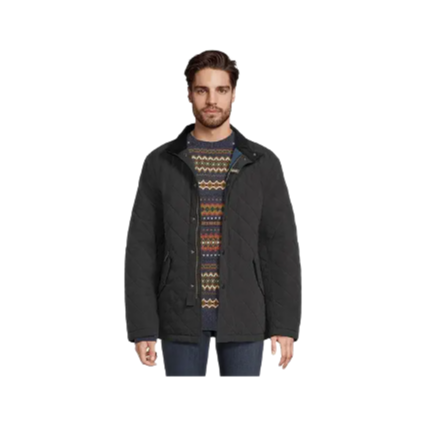
Barbour Men’s Shoveler Quilted Jacket
- Made with 100% polyester outer and 100% polyamide inner for lightweight durability and comfort.
- Features premium details like Barbour tonal embroidery on the lower left pocket flap and a large brown leather badge on the back neck.
- Trimmed with 100% leather for a refined and elevated look.
- Machine washable at 30°C for easy care and maintenance.
- Imported design that combines functional warmth with Barbour’s classic heritage styling, perfect for casual or outdoor wear.
$216.43
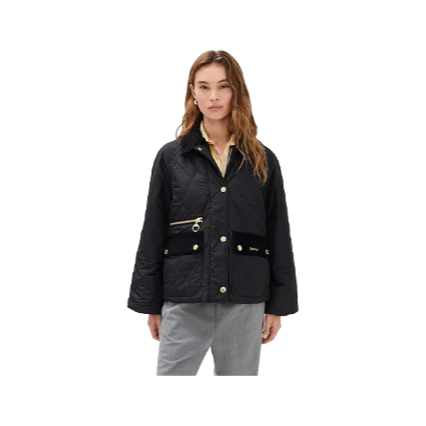
Barbour Women’s Martha Quilted Barn Jacket
- Crafted from a mid-weight, non-stretch technical weave for warmth and durability.
- Features a sophisticated corduroy trim and a timeless quilted design for a classic yet stylish look.
- Includes flap front pockets and both interior and exterior zip pockets for versatile storage options.
- Fully lined for added comfort, with a collared neck for a polished finish.
- Ideal for layering during cooler weather, offering practicality and elegance in one.
$340.00
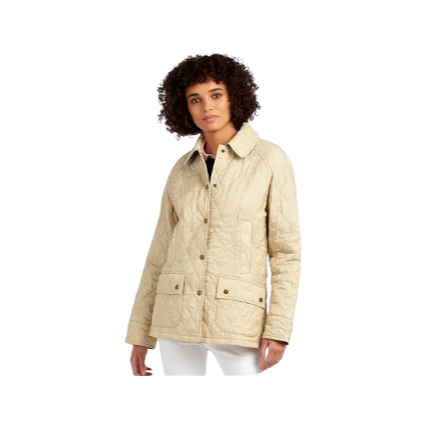
Barbour Women’s Summer Beadnell Quilted Jacket, Pearl
- A lightweight and elegant jacket made from 100% polyamide, perfect for warmer seasons.
- Designed with front snap-flap pockets and handwarmer pockets for both style and functionality.
- Features a front snap closure, making it easy to wear while maintaining a sleek silhouette.
- Machine washable with warm water and line dry instructions for easy care.
- A versatile and stylish choice that blends Barbour’s classic design with summer-ready practicality.
$250.00
From Country Lanes to City Streets: Why I’m Obsessed with This British Classic
As the autumn leaves began their annual descent and the crisp morning air nipped at my fingers, I found myself reaching once again for my trusty Barbour quilted jacket. The familiar weight settling on my shoulders felt like reuniting with an old friend. It’s been my constant companion through countryside walks, city commutes, and everything in between for years now.
Standing in front of my wardrobe mirror, I realized something: the perfect Barbour quilted jacket isn’t just an investment piece—it’s a lifestyle statement that transcends trends and seasons. And after fielding countless questions from friends and colleagues about which model to buy, where to shop, and how to style these iconic British garments, I decided it was time to compile everything I’ve learned into a comprehensive guide.
So settle in with a cup of tea (how fitting, right?) as I walk you through everything you need to know about finding your perfect Barbour quilted jacket—from someone who’s been obsessed with them for longer than I care to admit.
The Rich Heritage Behind the Diamond Quilting
Before diving into the buying advice, let’s take a moment to appreciate what makes these jackets special. My fascination with Barbour began when I inherited my grandfather’s waxed jacket—not a quilted style, but my gateway into the brand’s storied legacy.
Founded in 1894 in South Shields, England, J. Barbour & Sons started by providing weatherproof garments to sailors, fishermen, and dockers working in the harsh North Sea conditions. The brand earned its royal warrants (official supplier designations to the British royal household) through decades of exceptional craftsmanship. While the waxed cotton jackets may have established Barbour’s reputation, their quilted offerings have become equally beloved for their versatility and sophisticated countryside aesthetic.
The quilted jacket design evolved from practical origins—the diamond pattern stitching not only secured the insulating layer but also distributed warmth evenly while allowing flexibility of movement. What began as purely functional workwear has transformed into a symbol of British country lifestyle that resonates from rural estates to urban neighborhoods.
I remember my first quilted Barbour purchase vividly—a classic olive Liddesdale that I scored during a rainy weekend in London. The shop assistant mentioned something that stuck with me: “You don’t just buy a Barbour; you adopt it into your life story.” Seven years and three additional quilted jackets later, I couldn’t agree more.
Decoding the Quilted Collection: Popular Models Explained
One of the most overwhelming aspects of shopping for a Barbour quilted jacket is the sheer variety available. Let me break down the most iconic models based on my personal experience and countless hours spent researching (and trying on) different styles:
The Liddesdale: The Gateway Quilted Jacket
The Liddesdale was my first love and remains the quintessential quilted Barbour for many. With its straight cut, corduroy collar, and signature diamond quilting, it strikes the perfect balance between casual and refined. The traditional box quilting pattern gives it that unmistakable British countryside look.
What I love about my Liddesdale is its versatility—light enough for mild autumn days yet substantial enough for layering in winter. The simple design means it pairs effortlessly with everything from wellies and jeans for a weekend walk to chinos and loafers for casual Friday at the office.
Available in a range of colors (though the olive and navy remain the most classic choices), the Liddesdale features two front pockets with snap closures, a full-length front zipper, and that distinctive corduroy collar that somehow manages to look both rustic and refined.
The Chelsea: Urban Sophistication
When I needed something slightly more polished for city life, I invested in the Chelsea model. Slimmer fitting than the Liddesdale, the Chelsea features a more tailored silhouette that works beautifully over business casual attire.
The Chelsea’s quilting pattern is more subtle and the lines cleaner, making it perfect for those who appreciate Barbour’s quality but want something less obviously “country.” My navy Chelsea has become my go-to for client meetings in autumn and spring—professional without being stuffy.
The Chelsea typically features side entry pockets rather than the patch pockets found on more casual models, lending it a sleeker appearance. The collar is usually made of the same quilted material rather than corduroy, further enhancing its urban appeal.
The Powell: The Lightweight Option
During transitional seasons when the weather can’t make up its mind, the Powell has been my savior. Lighter than most other quilted Barbours, it features a slimmer fit and more contemporary styling.
What makes the Powell special is its versatility as a layering piece—substantial enough to provide warmth but not so bulky that it can’t fit under another coat during the depths of winter. The quilting pattern on the Powell is typically smaller and more densely packed, giving it a more refined appearance.
I’ve found the Powell perfect for travel, as it packs down relatively small and works across multiple weather conditions. Mine has accompanied me from cool summer evenings in Scotland to brisk spring mornings in Paris.
The Rabatn/Flyweight: The Ultra-Light Alternative
On days when there’s just a slight chill in the air, the Rabatn (sometimes called the Flyweight in certain seasons) is my go-to. With its ultralightweight construction and minimal insulation, it’s perfect for those in-between days or as a mid-layer under a heavier coat.
What’s impressive about the Rabatn is how it manages to retain the distinctive Barbour look and quality while being almost impossibly light. The quilting pattern is typically smaller and more intricate, and the jacket often includes distinctive trim details that set it apart from its heavier siblings.
The Quilted Bedale/Ashby: Heritage Hybrid
For those who love the classic Barbour waxed jacket silhouette but prefer quilting, the quilted versions of the iconic Bedale and Ashby models offer the best of both worlds. These incorporate elements of the traditional waxed designs—like the distinctive collar shape and pocket placement—but with a quilted construction.
I added a quilted Bedale to my collection last year and have been impressed by how it combines the heritage styling with the lighter weight and easier maintenance of quilting. The cut tends to be more generous, allowing for substantial layering underneath.
Understanding Barbour Sizing and Fit: Lessons from My Mistakes
Let me save you from the sizing missteps I’ve made over the years. Barbour sizing can be confusing, especially if you’re ordering online without the benefit of trying on different models.
Traditional Barbour quilted jackets are designed with layering in mind, so they typically run larger than contemporary fashion brands. My first Liddesdale was a medium (my usual size), and I found myself swimming in it. When I exchanged it for a small, it was perfect—roomy enough for a light sweater underneath but not excessively baggy.
Here’s what I’ve learned about Barbour sizing through trial and error:
- Classic models (like the traditional Liddesdale) run large – Consider sizing down one size from your normal choice.
- Slim-fit models (like the Chelsea or Powell) run closer to true size – These are cut narrower through the body and arms, so your regular size may work, though still consider sizing down if you’re between sizes.
- Sleeve length varies by model – Classic countryside models often have slightly longer sleeves to accommodate movement and protect from the elements, while city-oriented styles feature more standard proportions.
- Women’s styles are cut differently – The women’s versions aren’t simply smaller men’s jackets; they’re redesigned with feminine proportions in mind, with more shape through the waist and often slightly shorter lengths.
- Check the specific model descriptions – Barbour now typically indicates whether a jacket is “classic fit,” “slim fit,” or “tailored fit” in the product description.
My best advice is to try before you buy if possible. If ordering online, pay close attention to the retailer’s sizing guides and return policies. I’ve found that customer reviews often provide helpful real-world sizing advice for specific models.
Material Matters: Decoding the Fabric Options
While all quilted Barbours share that distinctive diamond pattern stitching, the outer fabrics can vary significantly, affecting both performance and appearance:
Polyamide (Nylon)
Most contemporary quilted Barbours feature a polyamide (nylon) outer shell. My Liddesdale and Chelsea both use this material, which offers excellent weather resistance and a slight sheen that enhances the quilting pattern.
The polyamide shell is lightweight, dries quickly when caught in a shower, and has proven remarkably durable over years of wear. It’s also easier to clean than some alternatives—a damp cloth usually takes care of minor spots and stains.
Waxed Cotton Quilted Jackets
For those wanting the weather resistance of traditional Barbour waxed jackets but with quilted construction, some models feature a waxed cotton outer with quilting. These combine the water-repellent properties of wax with the warmth of quilting.
I tried on a waxed quilted jacket and found it substantially heavier than my polyamide versions—something to consider if weight is a concern for you. The waxed finish also requires more specific care, including periodic rewaxing to maintain its water resistance.
Polarquilt and Fleece-Lined Options
For colder climates, Barbour offers Polarquilt versions of many styles, featuring additional fleece or thermal lining. My cousin in Scotland swears by his Polarquilt Liddesdale, which serves him well through highland winters.
I found the standard quilting sufficient for southern England’s climate, but when I visited family in the north during January, I definitely appreciated borrowing a fleece-lined version. The additional insulation makes a noticeable difference in truly cold conditions.
Special Materials and Limited Editions
Part of Barbour’s appeal is their seasonal special editions and collaborations, which often feature unique materials. I’ve seen quilted jackets in velvet, wool blends, and even leather-trimmed versions over the years.
While the classic polyamide models offer the most versatility, these special editions can be worth considering if you’re looking for something unique. I splurged on a limited-edition tweed-trimmed quilted jacket three years ago that always garners compliments.
Color Considerations: Beyond Olive and Navy
While traditional olive green and navy blue remain the most iconic and versatile color choices (my first two purchases, predictably), Barbour now offers their quilted jackets in an extensive palette:
Classic Country Colors
The heritage shades of olive, navy, sage green, and rustic brown connect most strongly with Barbour’s countryside origins. These colors wear well, hide minor dirt and marks effectively, and pair easily with typical country attire.
My olive Liddesdale has developed a lovely patina over years of wear—the color has softened slightly but remains distinctive. These traditional colors also tend to remain in Barbour’s permanent collection, making replacement easier if needed.
Contemporary Urban Options
For city dwellers, Barbour now offers more sophisticated color options like charcoal, black, burgundy, and deep plum. My Chelsea in charcoal has proven remarkably versatile for urban environments, pairing well with both casual and business casual attire.
These darker, more subtle colors tend to look more polished and less obviously “country,” which may be preferable depending on your lifestyle and existing wardrobe.
Seasonal and Limited Edition Colors
Each season brings new color options—I’ve seen everything from vibrant reds and blues to soft pastels in spring collections. While these offer opportunities for personal expression, I’ve found the classic colors more versatile for long-term wear.
My one venture into seasonal colors was a deep burgundy Powell that I initially worried might feel too specific but has actually integrated well into my autumn and winter wardrobe.
Color and Practicality
When selecting a color, consider not just appearance but practicality. Lighter colors show dirt more readily, while very dark colors can highlight dust and lint. Mid-tones like olive and navy strike a good balance between style and practicality.
The color of your Barbour quilted jacket isn’t just an aesthetic choice—it influences its versatility across different settings and seasons. My advice is to start with a classic shade for your first purchase, then expand into more distinctive colors if you add additional jackets to your collection.
Pricing and Where to Buy: Maximizing Value
Barbour quilted jackets represent a significant investment—but one that pays dividends in longevity and timeless style. Here’s what I’ve learned about getting the best value:
Understanding the Price Range
New quilted Barbours typically range from approximately $150-350 USD depending on the model, materials, and where you purchase. My first Liddesdale cost around $180 seven years ago, and I’ve worn it hundreds of times, making the cost-per-wear pennies at this point.
More specialized models with premium materials or additional features (like the Polarquilt lining) will sit at the higher end of the range, while simpler designs in standard materials represent the lower end.
Authorized Retailers vs. Direct Purchase
While Barbour operates its own stores and website, authorized retailers often offer competitive pricing and seasonal sales. I’ve purchased from both channels and found advantages to each:
- Barbour direct: Guarantees authenticity, typically offers the full range of current models, and provides specialized customer service.
- Department stores and specialty retailers: May offer seasonal discounts, loyalty programs, and the ability to try on multiple sizes and styles in person.
I found my Chelsea during a mid-season sale at a department store for about 30% off the regular price—patience can definitely pay off.
Outlet Shopping
Barbour outlet stores offer discontinued models and colors at reduced prices. The closest outlet to me is about an hour’s drive, but I make an annual pilgrimage and have found excellent deals on perfectly good jackets—my Powell was an outlet purchase at about 40% off retail.
The selection at outlets can be hit-or-miss, but if you’re not set on a specific model or color, they’re worth exploring.
Seasonal Timing
Like most fashion purchases, timing can significantly impact price. End-of-season sales (January/February for winter styles, July/August for spring/summer weights) often include quilted jackets at reduced prices.
I’ve also noticed that November and early December typically bring pre-holiday promotions at many retailers, which can be a good time to buy if you need a jacket for current-season wear.
Secondary Market Considerations
Barbour jackets hold their value remarkably well, and a thriving secondary market exists. While I’ve purchased all of mine new, I have friends who’ve found excellent pre-owned options through consignment shops and online platforms.
If considering the secondary market, pay close attention to photos of the quilting (to ensure it’s not flattened or damaged), condition of high-wear areas like cuffs and collar, and overall cleanliness of the lining.
Caring for Your Investment: Maintenance Tips
One reason Barbour quilted jackets represent good value despite their upfront cost is their longevity when properly maintained. Here’s how I’ve kept mine looking great for years:
Routine Cleaning
For regular maintenance, I’ve found that a soft brush removes surface dirt effectively without risking damage to the fabric. For polyamide quilted jackets, occasional sponging with warm water and mild soap addresses most spots and stains.
The corduroy collar on models like the Liddesdale can collect dirt more readily than the main fabric. I gently clean mine with a soft toothbrush and mild soap when needed, being careful not to saturate the material.
Machine Washing Guidelines
Most quilted Barbours can be machine washed on a gentle cycle—a fact that surprised me initially given their premium status. I wash mine infrequently (typically once or twice a season) following these steps:
- Empty all pockets completely
- Fasten all closures (zippers, snaps, buttons)
- Use a gentle cycle with cold water
- Use mild detergent without bleach or fabric softeners
- Air dry only—never tumble dry
After washing, I reshape the jacket while damp and hang it on a sturdy hanger to dry naturally. This preserves the quilting pattern and prevents distortion.
Treating Stubborn Stains
For more stubborn marks, I’ve had success using specialized textile cleaners designed for outdoor gear. Always test any cleaner on an inconspicuous area first, and avoid harsh chemicals that might damage the water-resistant finish.
My Chelsea once suffered a coffee spill during a hectic morning commute. I blotted it immediately and later treated it with a gentle fabric cleaner, working from the outside of the stain inward. The mark disappeared completely after treatment and a subsequent gentle wash.
Storage Between Seasons
Proper storage extends the life of your jacket significantly. I store mine on wooden hangers (never wire) with all closures fastened to maintain shape. A breathable garment bag provides additional protection without trapping moisture.
Before storage, ensure your jacket is completely clean and fully dry to prevent mildew or odors developing. I also make sure pockets are empty and linings are clean before putting jackets away for the season.
Styling Your Barbour Quilted Jacket: Versatility in Action
The beauty of a Barbour quilted jacket lies in its chameleon-like ability to complement various styles. Here’s how I’ve integrated mine into different contexts:
Country Weekend Styling
For authentic British countryside style, I pair my olive Liddesdale with:
- A tattersall check shirt or lambswool sweater
- Well-worn jeans or moleskin trousers
- Sturdy boots or wellies
- A patterned scarf for extra warmth and visual interest
This combination works beautifully for weekend walks, pub lunches, or casual gatherings. The quilted jacket adds a refined touch to otherwise simple country attire.
Urban Commuter Look
For city days, my Chelsea gets paired with:
- A fine merino rollneck or button-down shirt
- Tailored chinos or dark jeans
- Chelsea boots or clean sneakers
- Minimal accessories
The slimmer cut and subtler quilting pattern of the Chelsea works well in urban environments without looking out of place. I’ve worn this combination to casual client meetings, weekend brunches, and evening events with equal success.
Smart Casual Occasions
For occasions requiring a step up from casual without reaching for tailoring:
- Layer a quilted jacket over a shirt and knit tie
- Pair with pressed chinos or wool trousers
- Add polished brogues or loafers
- Consider thoughtful accessories like a pocket square or leather gloves
I’ve found this approach strikes an excellent balance for venues where a sport coat feels too formal but casual wear would be underdressed.
Trans-Seasonal Layering
The quilted jacket excels as a layering piece:
- In early autumn, wear over a simple t-shirt or light sweater
- As temperatures drop, add heavier knitwear underneath
- For winter, layer under a heavier coat for additional insulation
- In spring, pair with lighter fabrics and colors to transition into warmer weather
I’ve even used my lightweight Powell as an insulating mid-layer under my waxed Barbour during particularly cold and wet days—the two Barbour pieces working in harmony.
When to Choose a Different Barbour Style
While I’m obviously a devotee of the quilted jacket, honesty compels me to acknowledge they’re not ideal for every situation. Here’s when you might consider alternative Barbour styles:
Heavy Rain Protection
While quilted jackets offer decent shower resistance, they aren’t fully waterproof. For serious downpours or extended time outdoors in wet conditions, Barbour’s waxed cotton jackets provide superior protection.
I learned this lesson during a particularly soggy hiking trip where my quilted jacket eventually surrendered to the elements. I now keep a waxed Bedale for those days when serious weather protection takes priority.
Extreme Cold
Standard quilted jackets provide moderate warmth but may not suffice for truly frigid conditions without substantial layering. For very cold climates, consider the Polarquilt versions or one of Barbour’s dedicated winter parkas.
When I visited Edinburgh in January, my regular quilted jacket required significant layering underneath. Had I planned better, I would have opted for a heavier model with integrated thermal lining.
Formal Occasions
While quilted jackets can be styled to look smart-casual, they remain inherently sporty and relaxed. For formal business settings or dressy occasions, they may appear too casual.
I made the mistake of wearing my Chelsea to a business formal dinner once and felt noticeably underdressed. Know the limits of even the most refined quilted jacket and have appropriate alternatives for formal requirements.
Making Your Final Decision: A Personal Framework
After years of Barbour enthusiasm and helping numerous friends make their selections, I’ve developed a simple framework for choosing the right quilted jacket:
- Consider your primary use case – Will this be mainly for country walks, city commuting, casual weekends, or a combination? Let your typical environment guide your choice of model.
- Be honest about your climate – The standard quilting works for mild to cool conditions with layering, but colder regions may require Polarquilt or heavier alternatives.
- Assess your existing wardrobe – Choose a color and style that complements what you already own and wear regularly.
- Try multiple sizes – Don’t assume your usual size will be right; try your regular size and one size down to find the optimal fit.
- Consider longevity over trends – While limited editions may be tempting, the classic models and colors offer the greatest versatility and staying power.
Ultimately, the perfect Barbour quilted jacket is the one that fits your lifestyle, flatters your frame, and makes you feel fantastic every time you wear it. Trust your instincts—you’ll know when you’ve found the right one.
My Personal Collection: Lessons from Multiple Purchases
As someone who now owns four different quilted Barbour jackets (an admission that sometimes raises my partner’s eyebrows), I can offer perspective on how different models serve distinct purposes in a wardrobe:
My olive Liddesdale remains my weekend companion for country walks and casual outings. After seven years, it’s developed a wonderful lived-in quality while maintaining its structural integrity and warmth.
The charcoal Chelsea has become my default business casual outer layer, smart enough for client meetings but not so precious that I worry about wearing it regularly.
The burgundy Powell serves as my travel jacket and transitional season piece, light enough to pack easily but substantial enough to provide meaningful warmth.
Most recently, the quilted Bedale in navy joined my collection, bridging the gap between my waxed Barbour for serious weather and my lighter quilted options.
If I were starting over with just one purchase, I’d probably choose the Chelsea in navy or olive—it offers the most versatility across different contexts and has the cleanest lines for varied styling options.
Conclusion: An Investment in Everyday Luxury
As I finish writing this guide, my trusty Liddesdale hangs by the door, ready for tomorrow’s morning dog walk. The forecast shows light rain and a brisk breeze—perfect Barbour weather.
What began as a practical purchase has evolved into something approaching devotion. These jackets represent that rare intersection of practicality, heritage, style, and quality craftsmanship. In a world of fast fashion and disposable goods, a Barbour quilted jacket stands as a quiet rebellion—a commitment to buying fewer, better things that genuinely improve with age.
Whether you’re considering your first Barbour purchase or adding to an existing collection, I hope my experiences help guide your decision. Remember that beyond all the technical details and styling advice, the best quilted jacket is the one that becomes such an integral part of your life that you barely notice it’s there—until someone compliments you on it for the hundredth time.
And when that happens, perhaps you too will find yourself writing thousands of words about what might appear to be “just a jacket” but is, in reality, so much more.
