


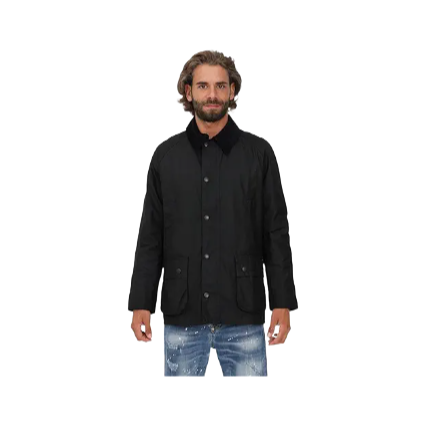
Barbour Men’s Ashby Wax Jacket, Black, L
- Crafted from 100% waxed cotton for a durable, weather-resistant finish that embodies Barbour’s signature style.
- Features a stand collar with a snap throat latch for added protection and a sleek, structured look.
- Fully lined for enhanced comfort and insulation, making it ideal for cooler weather.
- Designed for easy maintenance with spot-clean care instructions.
- A versatile and timeless jacket, perfect for outdoor adventures or urban wear.
$378.00
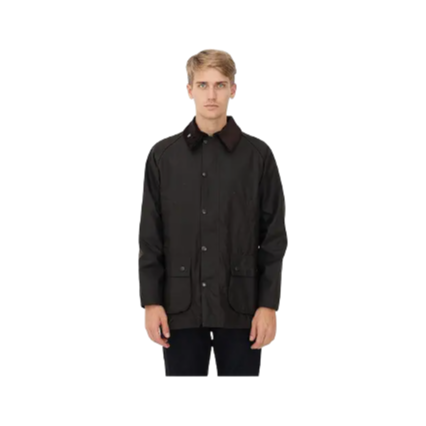
Barbour Men’s Bedale Wax Jacket
- Designed with equestrian functionality in mind, featuring longer sleeves for extra coverage and mobility.
- Includes a corduroy collar studded for an optional hood, combining practicality with classic style.
- Equipped with two large bellows pockets and two handwarmer pockets for ample storage and convenience.
- Features two press-studded, gusseted side vents for ventilation and ease of movement.
- Compatible with a studded or zipped liner for added warmth, making it a versatile choice for year-round use.
$405.00
From Countryside Necessity to Timeless Fashion Statement: My 15-Year Journey with Waxed Cotton
I still remember the first time I slipped my arms into a Barbour jacket. It was a hand-me-down Beaufort from my uncle—olive green, battered around the edges, with that distinctive smell that only waxed cotton can produce. The fabric was stiff in places, buttery soft in others, and it felt like putting on a second skin that had stories to tell. That was fifteen years ago, on a drizzly autumn morning in the Lake District, and I’ve been hopelessly devoted to these jackets ever since.
There’s something about a Barbour that transcends mere clothing. It’s not just a jacket; it’s an investment piece that grows more personal and characterful with every wear. I’ve owned designer coats that cost three times as much, technical jackets with more features than a Swiss Army knife, but nothing has the soul of a properly worn-in Barbour.
But I also understand the confusion when you’re looking to buy your first one. The range is vast, the terminology specific, and the price tag substantial enough to warrant careful consideration. So consider this my love letter to Barbour jackets and your comprehensive guide to finding the one that’s right for you.
The Heritage Behind the Hype
Before we dive into the nitty-gritty of jacket styles and what to look for, let’s appreciate why these jackets command such respect. Barbour isn’t just another fashion brand; it’s a British institution with over 125 years of history behind it.
Founded in 1894 by John Barbour in South Shields, the company began by supplying oilskins to sailors, fishermen, and dockers—people whose livelihoods depended on staying dry in the harsh North Sea conditions. This wasn’t fashion; it was functional workwear designed to protect against the elements.
The transition from purely utilitarian to coveted fashion item happened gradually. The International motorcycle jacket became popular with motorcyclists in the 1930s. The Bedale and Beaufort hunting jackets found favor with the British rural gentry in the 1980s. And then came the royal warrants—official suppliers to the Duke of Edinburgh in 1974, Queen Elizabeth II in 1982, and the Prince of Wales in 1987.
Today, a Barbour jacket is equally at home on a country estate, a city street, or a festival field. It’s this versatility, combined with genuine heritage and quality, that explains their enduring appeal. When you buy a Barbour, you’re not just following a trend; you’re participating in a tradition.
Understanding the Barbour Range
Walking into a Barbour store or browsing their website can be overwhelming. There are dozens of styles, each with its own name and purpose. Let me break down the classic waxed cotton range for you:
The Countryside Classics
The Beaufort: My first love and perhaps the most iconic Barbour jacket. Originally designed for shooting, it has a relaxed fit with a straight cut and sits at the hip. The game pocket at the back (essentially a large pouch that runs the width of the jacket) was originally for carrying pheasants but now makes an excellent spot for a newspaper, gloves, or a small umbrella. The corduroy collar is designed to be worn up against the rain and feels wonderfully soft against your neck.
The Bedale: Shorter than the Beaufort and originally designed for horseback riding, the Bedale sits at the waist. It has a slightly more fitted silhouette and works well for shorter individuals or those wanting a less bulky look. The equestrian heritage shows in details like vents at the back to accommodate saddle-sitting.
The Border: The longest of the classic trio, the Border extends to mid-thigh and offers the most weather protection. It shares many design elements with the Beaufort but gives additional coverage that’s welcome in heavy rain or cold conditions.
The Northumbria: Similar to the Border but with a slightly heavier waxed cotton and often lined with the warm Pile (fleece) lining rather than the classic tartan. This is the heavyweight champion of the range—ideal for the coldest, wettest conditions.
The Modern Interpretations
The Ashby: A slimmer, more contemporary take on the Bedale. Same length but with a more tailored fit that appeals to those wanting the Barbour look without the boxy, traditional silhouette. This has become increasingly popular with urban wearers.
The Sapper: Military-inspired with a waist-defining belt and a more structured appearance. The Sapper brought a new aesthetic to the Barbour line while maintaining the brand’s weatherproof credentials.
The Commander: Made famous by Daniel Craig’s James Bond in Skyfall, this style briefly ignited Barbour fever among a new audience. Though discontinued in its original form, similar styles are often available.
The Lightweight Options: In recent years, Barbour has introduced lighter waxed cotton jackets like the Lutz and Duke, which offer the Barbour aesthetic without the sometimes-cumbersome weight of the traditional jackets.
Women’s Specific Designs
Barbour’s women’s collection has expanded significantly, moving beyond simply offering smaller versions of men’s jackets.
The Beadnell: The feminine counterpart to the Bedale, often with a more flattering cut and sometimes additional decorative features like floral print linings.
The Utility Jacket: A more fitted silhouette with a belted waist that creates a flattering shape while maintaining Barbour’s practical elements.
The Monteviot: A longer, more tailored option that works beautifully as a smart-casual crossover piece.
What Makes a Barbour Jacket Special?
If you’re new to the world of Barbour, you might wonder what justifies the price tag. Let me explain the key elements that make these jackets worth every penny:
The Waxed Cotton Fabric
The star of the show is undoubtedly the waxed cotton fabric. Originally developed as an alternative to the heavy, oiled clothing worn by sailors (which would become stiff and uncomfortable in cold weather), waxed cotton provided water resistance while remaining relatively supple.
Modern Barbour jackets use cotton that’s been treated with a mixture of waxes and oils. This creates a water-resistant barrier that, unlike synthetic waterproof materials, can be rejuvenated again and again with fresh wax. The fabric isn’t completely waterproof—heavy, prolonged rain will eventually penetrate—but it’s remarkably effective at keeping you dry during typical British weather.
What makes waxed cotton truly special, though, is how it ages. Like good leather, waxed cotton develops a patina over time. Creases form where you move, the color lightens in high-wear areas, and the jacket gradually molds itself to your body. No two well-worn Barbour jackets look exactly alike because each reflects the life of its owner.
The Thoughtful Details
Barbour jackets are full of purposeful details that reflect their working heritage:
- Moleskin-lined handwarmer pockets: These feel incredibly cozy on cold days and are positioned perfectly for warming chilled fingers.
- Sturdy two-way zips: These allow you to open the jacket from the bottom when sitting down, particularly useful when driving or on horseback.
- Corduroy collars: Not just stylish but functional too—soft against your skin and can be waxed for additional water resistance.
- Storm cuffs: Inner cuffs that help keep wind and rain from creeping up your arms.
- Brass snaps and zippers: These develop a beautiful patina over time and are built to last decades.
The Versatile Linings
Most Barbour jackets come with a tartan cotton lining, but there are several options available:
- Classic tartan: The traditional cotton lining that’s lightweight and perfect for year-round wear.
- Warm pile lining: A thick fleece lining that transforms the jacket into serious winter wear.
- Quilted lining: Provides insulation without the bulk of the pile lining.
One of the brilliant aspects of Barbour’s design is the interactive system. Many models accept zip-in liners that can be added for winter and removed for warmer months, effectively giving you two jackets in one.
Finding Your Perfect Fit
The biggest mistake first-time Barbour buyers make is misunderstanding the fit. These jackets, especially the classic models, are not designed to be slim-fitting. They were created to be worn over layers—perhaps a sweater and tweed jacket for a day’s shooting. This is why many people find themselves swimming in a Barbour if they buy their usual size.
Here’s my advice on sizing:
- For classic styles (Beaufort, Bedale, Border): Consider sizing down one size from your usual jacket size, especially if you have a slimmer build or don’t plan to wear heavy layers underneath. If you’re normally a 42, try a 40.
- For modern, tailored styles (Ashby, Sapper): These are cut closer to contemporary sizing expectations, so your normal size is usually appropriate.
- Consider your height: The Beaufort’s length works well for average heights. Shorter individuals might prefer the Bedale’s cropped length, while taller people often appreciate the Border’s longer cut.
- Try before you buy if possible: Given the investment, it’s worth visiting a store to try different models. Bring the type of clothing you’d typically wear underneath.
- Don’t fear a slightly snug initial fit: Remember that waxed cotton gives and shapes to your body over time. A jacket that feels perfect when new might become too loose after a season of wear.
Colors and Character
Barbour jackets come in several colorways, each with its own character:
Sage/Olive: The quintessential Barbour color and my personal favorite. Versatile, classic, and shows patina beautifully. This earthy green works with almost anything and doesn’t show dirt easily.
Navy: A more urban choice that pairs well with both casual and smarter attire. Navy tends to show wear less dramatically than lighter colors but still develops character.
Black: The most modern-looking option and ideal for city dwellers who want weatherproofing without the countryside associations.
Rustic Brown: A rich, earthy tone that develops a beautiful patina. Less common but full of character.
Sand/Stone: Light-colored options that show every scuff and stain—which is precisely the point for some enthusiasts. These develop dramatic patinas quickly.
I’d recommend the sage for your first Barbour unless you wear predominantly navy or black clothing. It’s the most versatile color and embodies the heritage appeal that makes these jackets special.
The Care and Feeding of Your Barbour
One of the most beautiful aspects of owning a Barbour is the relationship you develop with it over time. These jackets require care, but they reward it with decades of service.
Re-Waxing: The Ritual of Renewal
Perhaps the most distinctive aspect of Barbour ownership is the periodic re-waxing. As you wear your jacket, the wax coating gradually diminishes, particularly in high-wear areas. Eventually, you’ll notice the fabric darkening when it rains instead of beading water, signaling it’s time for fresh wax.
You have two options:
- Send it back to Barbour: The company offers a rewaxing service where professionals will clean and rewax your jacket to factory standards. This costs around $55-75 plus shipping and takes a few weeks.
- Do it yourself: Barbour sells tins of their proprietary wax, and the DIY approach is both economical and oddly satisfying. I’ve always rewaxed mine myself, and there’s something therapeutic about the process.
If you choose the DIY route, here’s the basic process:
- Clean your jacket with a cold water sponge (never machine wash!)
- Warm the wax tin in hot water until it’s liquid
- Apply to the jacket in sections using a soft cloth
- Use a hairdryer to melt the wax evenly into the fabric
- Pay special attention to seams and wear points
- Hang to dry for 24-48 hours
Most jackets need rewaxing every 12-18 months, depending on how frequently you wear them and in what conditions. Some Barbour enthusiasts selectively rewax their jackets, leaving certain areas to develop a more worn-in look while maintaining water resistance in crucial places like shoulders and upper arms.
Repairs and Alterations
Unlike most modern clothing, Barbour jackets are designed to be repaired rather than replaced. The company offers a renowned repair service that can fix tears, replace worn cuffs and collars, and even rebuild severely damaged sections.
I’ve seen decades-old Barbours that have been patched and repaired multiple times, creating a unique patchwork that tells the story of the jacket’s life. Each repair becomes part of the jacket’s character rather than a flaw.
Some popular alterations include:
- Collar replacement: The corduroy collar often shows wear first and can be replaced.
- Cuff replacement: Another high-wear area that can be refreshed.
- Pocket repairs: The moleskin handwarmer pockets sometimes develop holes from keys or frequent use.
- Zipper replacement: Even the sturdy brass zippers may eventually need replacing after years of service.
Storage and Day-to-Day Care
A few tips for keeping your Barbour in good condition:
- Never machine wash or dry clean a waxed Barbour. This will strip the wax and damage the waterproofing.
- Spot clean with cold water and a soft brush for mud and surface dirt.
- Hang your jacket properly on a broad hanger when not in use to maintain its shape.
- Don’t store in plastic as the jacket needs to breathe.
- Keep away from direct heat sources which can melt the wax unevenly.
- Embrace minor scuffs and marks as they contribute to the jacket’s unique character.
The Barbour as an Investment
Let’s talk about the elephant in the room: Barbour jackets aren’t cheap. A new Beaufort will set you back around $415-475, and other models range from $350 to $600 depending on style and features. That’s a significant investment for many people.
However, when you consider cost-per-wear over decades of use, the value proposition becomes clear. I’m still wearing my uncle’s hand-me-down Beaufort 15 years later, and he had it for at least a decade before that. With proper care, a Barbour easily lasts 25+ years—try finding a $150 jacket that can make that claim.
Moreover, unlike many premium clothing items that lose value immediately, well-maintained Barbour jackets often retain much of their value and can even appreciate if they’re limited editions or develop particularly beautiful patinas. The vintage market for Barbours is surprisingly robust.
Some value-conscious approaches to acquiring a Barbour:
- Buy during sales: Barbour typically has end-of-season sales where you might find 20-30% discounts.
- Consider outlet stores: Barbour outlets offer past-season models at reduced prices.
- Look for quality secondhand options: Pre-loved Barbours can be excellent value, especially since many owners take good care of them. Just check for major damage and factor in rewaxing costs.
- Simplify the feature set: A Barbour without the optional zip-in liner will cost less, and you can always add a good sweater underneath instead.
Common Questions and Misconceptions
Over the years, I’ve heard many questions about Barbour jackets from friends considering their first purchase. Let me address the most common ones:
“Aren’t they unbearably hot?”
Waxed cotton isn’t breathable like modern technical fabrics, so yes, a Barbour can be warm in mild conditions. However, the classic models are designed as three-season jackets (autumn, winter, spring) rather than summer wear. The two-way zip helps with ventilation, and on warmer days, you can leave it unzipped. I find mine comfortable from about 40°F up to 65°F (4-18°C).
“Do they really smell as strong as people say?”
New Barbours do have a distinctive smell—a mixture of wax and oils that some find pleasantly earthy and others find off-putting. This scent diminishes significantly after a few months of wear and regular airing. If the smell bothers you initially, hang the jacket outside on dry, breezy days to help it mellow faster.
“I’ve heard they’re stiff and uncomfortable at first.”
New waxed cotton does have a certain stiffness, particularly in heavier models. However, this stiffness softens remarkably quickly with body heat and movement. After a dozen wears, you’ll notice a significant difference, and after a season of regular use, the jacket will feel like it’s custom-made for you.
“Are they actually waterproof?”
Technically, waxed cotton is water-resistant rather than waterproof. In light to moderate rain, water beads beautifully on the surface. In heavy, prolonged downpours, some moisture may eventually penetrate—particularly at the seams. However, for everyday use in changing weather, they provide excellent protection without the clammy feel of fully waterproof materials.
“Can I wear a Barbour if I’m not into country pursuits?”
Absolutely. While Barbour has strong associations with rural British life, the jackets have transcended their origins to become urban style staples too. Paired with jeans and boots or even over business casual attire, a Barbour looks perfectly at home in the city. The key is choosing the right model—the Ashby or Sapper tend to have a more contemporary feel than the Beaufort or Border.
My Personal Barbour Journey
My relationship with Barbour began with that hand-me-down Beaufort, but it’s grown over the years. I currently own three: the original Beaufort (now beautifully worn-in and soft as butter), a Navy Ashby that I wear for slightly smarter occasions, and a Lightweight Border that’s perfect for traveling.
Each has developed its own character. The Beaufort has a beautiful golden-olive patina in the creased areas, with darker patches on the elbows and cuffs. The right pocket has a slight shine from years of phone storage. The collar has darkened from contact with my neck and hair. These aren’t imperfections—they’re the visual record of thousands of walks, hundreds of rainstorms, and countless adventures.
I remember wearing my Beaufort during a sudden downpour in the Scottish Highlands, watching with satisfaction as the rain formed perfect beads on the waxed surface while other hikers scrambled for plastic ponchos. I remember the time I fell into a muddy stream while fishing and emerged sodden but laughing—the jacket was filthy but had protected my clothes underneath, and after a gentle hose-down and re-wax, it was ready for the next misadventure.
When I travel to England, my Barbour serves as a kind of understated passport—a signal that I understand and appreciate British heritage. I’ve had farmers in Yorkshire, gamekeepers in Scotland, and London cab drivers all comment approvingly or share their own Barbour stories upon noticing mine.
Finding Your Barbour: A Buying Checklist
If you’ve read this far, you’re probably serious about investing in a Barbour. Here’s my checklist to help you make the right choice:
- Consider your primary use case:
- Mainly urban wear? Consider the Ashby or Sapper.
- Country walks and outdoor activities? The Beaufort or Border are ideal.
- Need maximum versatility? The classic Beaufort works almost anywhere.
- Assess your build and height:
- Shorter than 5’8″? The Bedale’s cropped length might be most flattering.
- Average height? The Beaufort hits at a versatile mid-hip length.
- Tall? The Border’s longer cut will provide better proportions and rain protection.
- Think about your typical weather conditions:
- Mild but rainy? A classic weight jacket with tartan lining is perfect.
- Cold winters? Consider a model with a warm pile lining or add a zip-in liner.
- Variable conditions? An interactive model with a removable liner offers maximum flexibility.
- Evaluate your personal style:
- Traditional or heritage style? The classic models in sage green complement this aesthetic perfectly.
- More contemporary wardrobe? The slimmer cut of the Ashby in navy or black might integrate better.
- Like to stand out? Consider less common colors like rustic brown or a model with distinctive details.
- Set your budget:
- Full retail price for a new model with all the options ($400-600)
- New but during sales or at outlets ($300-450)
- Quality secondhand from a reputable source ($200-350)
The Final Verdict: Why Barbour Remains Unmatched
After fifteen years of wearing Barbour jackets in conditions ranging from gentle English drizzle to Scottish mountain storms, from New York winters to foggy San Francisco mornings, I remain convinced that they offer something no other garment can match.
It’s not just the practical benefits, though they are substantial: the effective weather protection, the durability that laughs at decade timeframes, the repairability that makes them a truly sustainable choice in our disposable fashion culture.
It’s not just the aesthetic appeal, though that too is undeniable: the rugged good looks that somehow work equally well with Wellington boots in the country or leather shoes in the city, the gradual evolution from stiff and uniform to personal and characterful.
No, what makes a Barbour truly special is the way it becomes intertwined with your life. Like a good leather wallet or a quality watch, a Barbour jacket doesn’t just serve you—it accompanies you through the years, collecting memories along with its scuffs and creases.
In our era of fast fashion and planned obsolescence, there’s something profoundly satisfying about owning an item designed to last a lifetime, to improve rather than deteriorate with age, and to connect you to traditions of craftsmanship that stretch back over a century.
Whether you’re drawn to Barbour for practical reasons, stylistic ones, or out of appreciation for heritage brands that still prioritize quality, I can promise you this: your Barbour journey will likely begin with admiration for a well-made jacket, but it will evolve into something closer to friendship—a reliable companion that never lets you down and only gets better with time.
And on that drizzly day when someone compliments your beautifully aged Barbour and asks if it’s new or vintage, you’ll smile knowingly and say, “Neither—it’s just mine.”
