


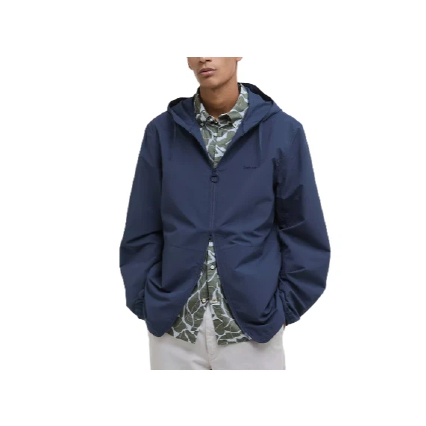
Barbour Men’s Newhill Rain Jacket
- Stay dry and stylish with this imported rain jacket, perfect for wet weather.
- Features a drawstring hood and zip closure for full protection and adjustable fit.
- Designed with long sleeves and side pockets for practicality and ease of use.
- The Barbour logo at the left chest adds a signature touch of heritage style.
- Lightweight and versatile, this rain jacket is ideal for both casual outings and outdoor adventures.
$175.00
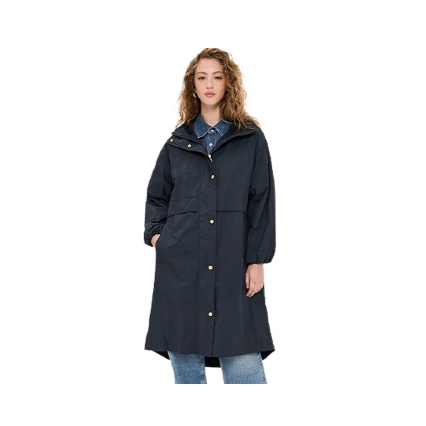
Barbour Naboo Showerproof Rain Jacket
- Crafted from a lightweight, non-stretch technical weave for a sleek, comfortable fit.
- Features a hooded neckline, storm flap at the back, and a snap-flap with hidden zip placket for superior rain protection.
- Designed with slant hip pockets for functionality and style.
- Shell is made from 100% polyamide, while the lining is 100% polyester, ensuring durability and comfort.
- Fully lined for added warmth and coverage, this showerproof jacket combines practicality with Barbour’s iconic design.
$325.00
How I navigated the world of waxed cotton to find my weatherproof companion
When the first drops of rain hit my shoulders during a countryside walk last autumn, I had an epiphany that only British weather can inspire: it was finally time to invest in a proper rain jacket. Not just any rain jacket—a Barbour. That iconic waxed cotton companion that promises to weather storms alongside you for decades, not seasons.
The journey to finding my perfect Barbour wasn’t as straightforward as I’d imagined. Between heritage lines, modern interpretations, and countless details to consider, I quickly discovered that choosing the right Barbour rain jacket is an investment decision worth taking time over.
After months of research, trial and error, and conversations with Barbour enthusiasts from Scottish gamekeepers to London fashion editors, I’ve compiled everything I wish I’d known before starting my search. Consider this your comprehensive guide to finding the Barbour that will become not just part of your wardrobe, but part of your story.
The Barbour Legacy: Understanding What You’re Buying Into
Before diving into specific models and features, it’s worth appreciating what makes Barbour special. Founded in 1894 in South Shields, England, J. Barbour & Sons began by outfitting sailors, fishermen, and dockers against the brutal North Sea weather. That maritime heritage remains in their DNA today, even as their jackets grace royal shoulders and fashion runways alike.
My grandfather wore his Barbour for thirty years—for farming, for walks, for unexpected downpours at cricket matches. When he passed it to my father, it still had decades of life left. This longevity isn’t accidental; it’s built into the brand’s philosophy. When you buy a Barbour, you’re not just purchasing a jacket; you’re adopting a piece of British heritage designed to become a chapter in your personal history.
Deciphering the Barbour Range: Classic vs. Contemporary
The most overwhelming aspect of shopping for a Barbour is navigating their extensive range. After trying on countless styles, I’ve found the easiest way to approach this is by understanding the key collections:
The Classic Collection
The Beaufort: The quintessential Barbour jacket, designed originally for shooting but now equally at home in country and city settings. With its relaxed fit, substantial waxed cotton, and distinctive rear game pocket, the Beaufort feels substantial without being restrictive. I found this particularly suitable for layering over sweaters in winter.
The Bedale: Originally designed for horseback riding, the Bedale is shorter than the Beaufort with a more tailored fit. The sleeves feature interior ribbed cuffs that keep rain and wind from sneaking up your arms. Perfect if you’re of average or shorter height like myself—the Beaufort can sometimes feel overwhelming on smaller frames.
The Border: The longest classic jacket, extending to mid-thigh. Ideal for taller individuals and those seeking maximum coverage from the elements. I’m 5’10” and found the Border offered excellent rain protection but felt slightly too commanding for my everyday style.
The Ashby: A modernized version of the Bedale, with a slimmer cut that appeals to those seeking a less boxy silhouette. After trying both, I found the Ashby offered the heritage look I wanted with a more contemporary fit that worked better for my urban lifestyle.
The Contemporary Collection
While I was initially drawn to the classics, Barbour’s modern interpretations merit serious consideration:
The Sapper: With military-inspired details including a belted waist and multiple pockets, the Sapper offers a more structured aesthetic. The sylkoil wax finish is slightly softer and less shiny than traditional Thornproof wax.
The Powell: A quilted jacket option that offers warmth without the maintenance of waxed cotton. Lighter weight but less waterproof than traditional waxed jackets, making it better suited to drizzly days than downpours.
The Beacon Sports: Made famous by Daniel Craig’s James Bond, this slim-fit jacket combines heritage details with a more tailored silhouette. The stand-up collar and streamlined pockets make it perhaps the most sophisticated option.
After trying on numerous styles, I discovered that while the Ashby won my heart, there’s no objectively “best” Barbour—only the one that suits your lifestyle and physique. The right Barbour feels instantly personal, like it was waiting for you all along.
Material Matters: Understanding Waxed Cotton
My education in waxed cotton began with confusion. Why would someone pay premium prices for a fabric that requires maintenance, develops creases, and sometimes has a distinctive smell? The answer came during a particularly nasty rainstorm when water beaded perfectly on my jacket’s surface, rolling off like mercury rather than soaking through.
Barbour offers two main waxed cotton finishes:
Thornproof Wax: The original, more substantial finish with a distinctive sheen. It’s highly water-resistant but requires more breaking in. My Ashby uses this finish, and while initially stiff, it’s developed a beautiful patina that reflects every adventure.
Sylkoil Wax: A softer, matte finish that feels more worn-in from day one. Slightly less water-resistant but more comfortable initially. My friend’s Sapper jacket uses this finish, and I’ve noticed it tends to show wear more quickly but develops character faster.
Beyond waxed options, Barbour offers:
Quilted Fabrics: Lighter weight and easier to maintain, but significantly less waterproof. Better for cool, dry days than proper rainstorms.
Technical Fabrics: Some modern Barbour lines incorporate contemporary waterproof membranes similar to those found in performance outerwear. These offer excellent weather protection without maintenance but lack the heritage appeal and longevity of waxed cotton.
After experiencing the remarkable performance of properly maintained waxed cotton during Scotland’s unpredictable weather, I’m convinced the extra care is worthwhile. No synthetic fabric ages with the same character as waxed cotton, which continues to tell your story with every crease and patina.
Essential Features: Details That Matter
The devil is in the details when selecting your Barbour, and small features can make an enormous difference in daily use:
Lining Options
Cotton Tartan: The classic Barbour lining in various tartan patterns. I found this breathable and comfortable across seasons.
Warm Pile: Some models offer fleece or pile linings for extra warmth. Perfect for winter but potentially too warm for year-round use.
Classic Check: Found in many heritage models, this cotton check lining balances tradition with subtlety.
Collar Considerations
Don’t overlook the collar design—it dramatically affects both function and appearance:
Corduroy-Lined Collar: This traditional feature provides comfort against your neck and can be turned up in harsh weather. My Ashby’s corduroy collar has softened beautifully with wear.
Stand-Up Collar: Found on models like the Beacon Sports, this offers more neck protection without the traditional fold-down appearance.
Storm Collar: Some models include an additional throat latch or higher collar design for maximum protection in foul weather.
Closure Systems
Two-Way Zip with Storm Flap: This classic Barbour closure combines a robust zipper with press-stud flap. Practical but sometimes fiddly when you’re in a hurry.
Simple Zip Closure: Found on more modern models, this is faster to operate but offers less weather protection.
Double Storm Placket: Premium models feature double layers of protection over the closure—worth considering if you regularly face serious downpours.
Pocket Configurations
Pockets might seem trivial until you’re caught in the rain fumbling for your keys:
Bellows/Cargo Pockets: These expandable pockets on traditional models like the Beaufort offer enormous capacity but can look bulky when full.
Handwarmer Pockets: Essential in cold weather, these are typically positioned behind or above the main pockets.
Internal Pockets: Crucial for keeping valuables dry. Check the number and positioning to ensure they meet your needs.
After testing multiple configurations, I’ve found that the perfect pocket arrangement depends entirely on your daily carry items—take time to imagine what you’ll regularly store in each pocket before deciding.
Sizing and Fit: The Most Critical Decision
No aspect of choosing a Barbour requires more consideration than sizing. Traditional Barbour jackets are sized to accommodate layers underneath, leading to common confusion.
Here’s what I learned through my own trial and error:
Classic Fits: Models like the Beaufort and Border run large by modern standards. I normally wear a medium in most brands but found a small Beaufort perfectly accommodated a lightweight sweater underneath.
Modern Fits: The Ashby, Sapper, and other contemporary models fit closer to standard sizing but still allow for light layering.
Sleeve Length: Traditional Barbours often have slightly shorter sleeves designed to prevent rain from dripping onto your hands. This can feel unusual at first but proves practical in wet conditions.
Shoulder Room: Ensure you have sufficient room across the shoulders when wearing layers. This was my primary consideration given my broader build.
Overall Length: Consider your height and typical activities. The Border extends to mid-thigh, the Beaufort to the hip, and the Bedale is notably shorter—perfect for driving or riding.
The best advice I received came from a veteran Barbour wearer: “Try your regular size and the next size down. The right size feels slightly generous but never overwhelming.” This proved spot-on for my Ashby selection.
Color Considerations: Beyond Basic Black
While Barbour’s classic olive green might be the most recognizable, color choice deserves careful thought:
Olive: The traditional Barbour color that pairs effortlessly with countryside attire and develops a beautiful patina over time. My personal choice for its versatility and heritage appeal.
Navy: More urban-friendly and shows less dirt and wear than lighter colors. Excellent for those using their jacket primarily in city settings.
Sage: A lighter, more muted green that offers a contemporary take on the traditional olive.
Black: The most urban option, pairing easily with formal and casual wear alike but showing dust and lint more readily than other colors.
Rustic Brown/Earth Tones: These warm options develop particularly beautiful patinas with age but can be less versatile for pairing.
After deliberating extensively, I chose olive for its classic appeal and ability to bridge country and city environments. However, I’ve noticed the color of a Barbour significantly influences its character—navy and black projecting urbane sophistication, while olive and sage maintain stronger connections to the countryside heritage.
The Price of Heritage: Budgeting for Your Barbour
Barbour jackets represent a significant investment, with prices typically ranging from $300 to $500 for core models. After owning mine for years, I can confidently say the value proposition makes sense when you consider:
Longevity: Unlike typical rain jackets that deteriorate within a few years, a properly maintained Barbour can last decades. My father’s 25-year-old Beaufort still performs flawlessly after a recent rewaxing.
Repairability: Barbour offers comprehensive repair services that can extend your jacket’s life indefinitely. Torn sleeve? Damaged zipper? Worn cuffs? All fixable, often for much less than replacement cost.
Resale Value: Quality Barbour jackets retain remarkable resale value, particularly classic models in good condition. I’ve seen well-maintained vintage Beauforts sell for nearly their original price.
Cost Per Wear: Dividing my purchase price by hundreds of wears over years makes my Barbour one of the most economical items in my wardrobe, despite its upfront cost.
If the retail price exceeds your budget, consider:
Outlet Stores: Barbour outlets offer substantial discounts on past-season items and slight seconds.
End-of-Season Sales: Many retailers offer 20-30% discounts during seasonal transitions.
Vintage Market: Pre-owned Barbours can offer exceptional value, particularly if you appreciate the broken-in character. Just ensure any major issues like torn wax or damaged hardware are repairable.
While cheaper alternatives exist, I’ve found that investing in authentic Barbour quality pays dividends through superior performance, longevity, and the distinctive heritage that imitations simply cannot replicate.
Seasonal Versatility: One Jacket for All Weather?
A common misconception is that Barbour jackets are exclusively for cold, wet weather. In reality, their versatility across seasons is remarkable:
Spring/Fall: The core season for Barbour wear. The waxed cotton provides perfect protection against unpredictable showers while remaining breathable enough for comfort.
Winter: Most Barbour jackets accept zip-in liners (sold separately) that transform them into proper winter coats. I found my Ashby with a quilted liner comfortable even in near-freezing temperatures.
Summer: On cool summer evenings or during coastal trips, an unlined Barbour provides wind protection without overheating. The breathability of cotton, despite its wax treatment, surpasses most synthetic materials.
Indoor Transitions: Unlike technical rain shells that become uncomfortably stuffy indoors, Barbours transition gracefully between environments. I can wear mine into a heated café without immediately needing to remove it.
Through extensive use, I’ve discovered that the temperature range of a well-chosen Barbour extends far beyond what most would expect, making it potentially the most versatile outerwear investment in your wardrobe.
Maintenance Matters: Caring for Your Investment
The prospect of maintaining waxed cotton initially deterred me. Wouldn’t it be easier to buy a technical shell that simply needs occasional washing? Perhaps, but such convenience comes at the cost of character and longevity.
The maintenance routine I’ve established is surprisingly straightforward:
Daily Care: Hang your Barbour on a broad shoulder hanger when not in use. Brush off mud rather than washing. Allow to dry naturally if caught in heavy rain.
Spot Cleaning: For small stains, a damp cloth with cold water usually suffices. Never use detergents, solvents, or hot water.
Rewaxing: Typically needed every 12-18 months depending on wear. You can send your jacket to Barbour for professional treatment or do it yourself using Barbour Thornproof Dressing. My first DIY rewaxing took about two hours but proved deeply satisfying.
Reproofing Schedule: I’ve found these indicators reliable for timing rewaxing:
- Fabric appears lighter in color, particularly at stress points
- Rain no longer beads effectively on the surface
- Material feels noticeably drier and less oily to touch
After maintaining my Barbour through several seasons, I’ve concluded that the maintenance routine, rather than being a burden, becomes a ritualistic connection to your jacket—each rewaxing session reinforcing the personal bond between owner and garment.
Barbour for Different Lifestyles: Finding Your Perfect Match
Through conversations with fellow Barbour enthusiasts, I’ve observed how different lifestyles tend toward different models:
The Urban Commuter: The Ashby or Beacon Sports offers sleeker silhouettes that pair well with business casual attire while providing protection during city commutes. Navy or black typically works best in urban environments.
The Weekend Explorer: The classic Beaufort or Bedale excels for those dividing time between city life and country escapes. The traditional olive color transitions seamlessly between environments.
The Outdoor Enthusiast: The Border or longer styles provide maximum protection for those regularly facing serious weather conditions. Practical features like large pockets and throat latches become essential rather than decorative.
The Fashion-Forward: Contemporary interpretations like the Dept-B collection or collaborations with designers offer Barbour quality with more trend-conscious styling.
My own journey led me to the Ashby—classic enough to honor the heritage I admired but contemporary enough for my primarily urban lifestyle. The ideal Barbour reflects not just who you are, but how you live, blending seamlessly into your daily routines rather than demanding lifestyle adjustments.
The Emotional Investment: Beyond Practicality
What surprised me most about my Barbour journey wasn’t the jacket’s performance (which I expected to be excellent) but the emotional attachment that developed. Unlike disposable fashion, a Barbour becomes a companion:
The Patina of Experience: Every crease, fade, and worn spot on my jacket tells a story—that scratch from hiking in the Lake District, the slight fading at the elbows from driving, the deeper color at the shoulders from countless rainstorms.
Intergenerational Connection: Few garments can credibly transition between generations. My Barbour feels connected to those worn by my father and grandfather, creating a tangible link to family history.
Sustainable Relationship: In an era of disposable fashion, the long-term relationship with a quality garment offers a more sustainable and satisfying approach to dressing.
Identity Signaling: Wearing a Barbour communicates subtle values—appreciation for craftsmanship, practical durability, and timeless style over fast fashion.
After years with my Ashby, I understand why Barbour owners develop almost passionate attachments to their jackets. Beyond mere functionality, a Barbour becomes an external manifestation of personal history—a weatherproof diary that records your experiences through its evolving appearance.
Making Your Final Decision: Practical Steps
After extensive research and experience, here’s my suggested process for making your final selection:
- Identify Your Primary Use Case: Urban commuting? Country walks? Shooting? Travel? Be honest about how you’ll actually use the jacket most frequently.
- Try Multiple Models In Person: Online research helps narrow options, but nothing replaces physically trying jackets. Pay attention to how they feel when moving, sitting, and layering.
- Consider Your Build: Taller individuals often prefer the Border or Beaufort; shorter frames may find the Bedale or Ashby more proportionate.
- Test With Layers: Try your potential Barbour while wearing what you’d typically layer underneath during colder weather.
- Check Pocket Functionality: Place your everyday carry items in the pockets to ensure they accommodate your needs.
- Assess Collar Comfort: The collar should feel comfortable when fully fastened without restricting neck movement.
- Evaluate Color In Different Lights: What looks perfect under store lighting may appear different outdoors or in natural light.
My own decision crystallized when I put on the Ashby in olive, loaded the pockets with my essentials, and realized it felt like I’d been wearing it for years—comfortable, practical, and somehow already mine. The perfect Barbour isn’t simply technically suitable; it resonates on an intuitive level, feeling immediately familiar even when brand new.
Conclusion: The Beginning of a Relationship
What began as a simple search for rain protection evolved into something much more meaningful. My Barbour has accompanied me through downpours in the Scottish Highlands, autumn walks along the Thames, and unexpected cloudbursts during city commutes. It’s developed a patina that makes it uniquely mine—a visual record of adventures both momentous and mundane.
If you’re considering a Barbour rain jacket, understand that you’re not just making a purchase; you’re beginning a relationship. One that will likely outlast most items in your wardrobe and possibly even transition to the next generation.
The initial investment—of both money and time spent selecting the perfect model—pays dividends through years of reliable service, distinctive style, and the quiet confidence that comes from wearing something of genuine quality and heritage.
The true value of a Barbour rain jacket emerges not at the moment of purchase, but through years of faithful service as it evolves from merely an item you own to something that feels fundamentally part of who you are. Choose wisely, care for it properly, and your Barbour won’t just protect you from the elements—it will become a trusted companion on life’s journey, whatever weather you may face.
